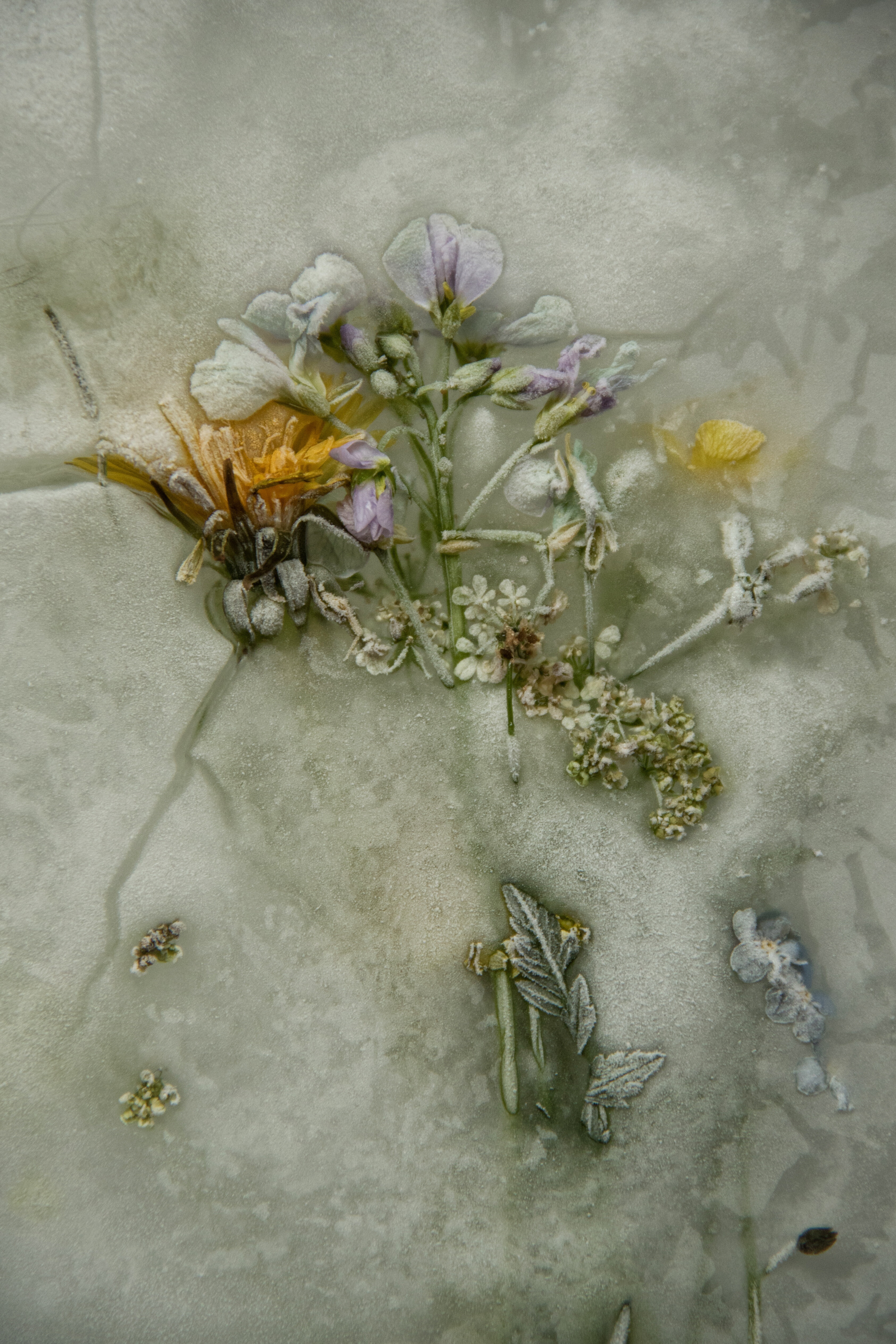
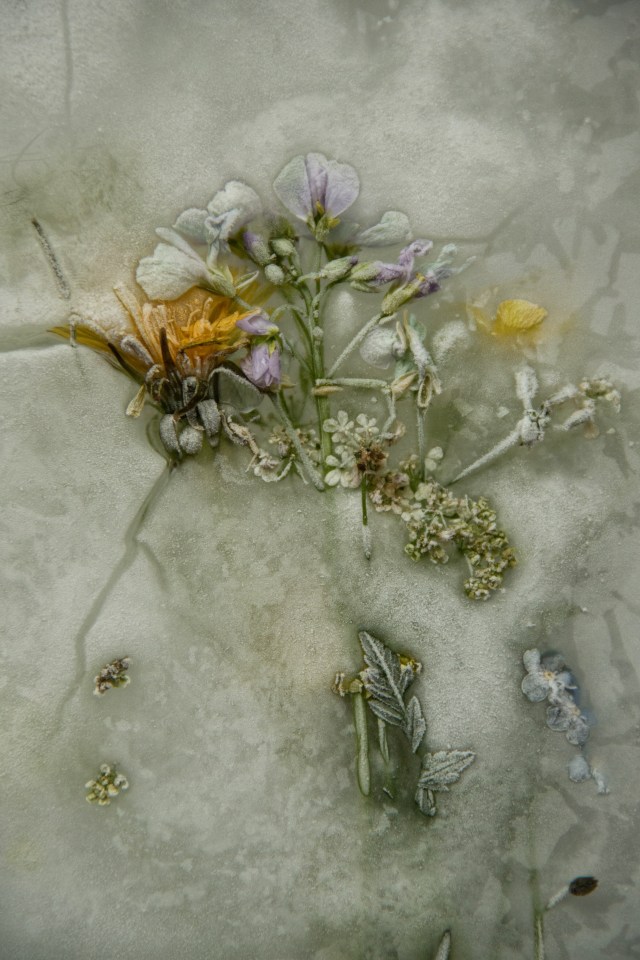
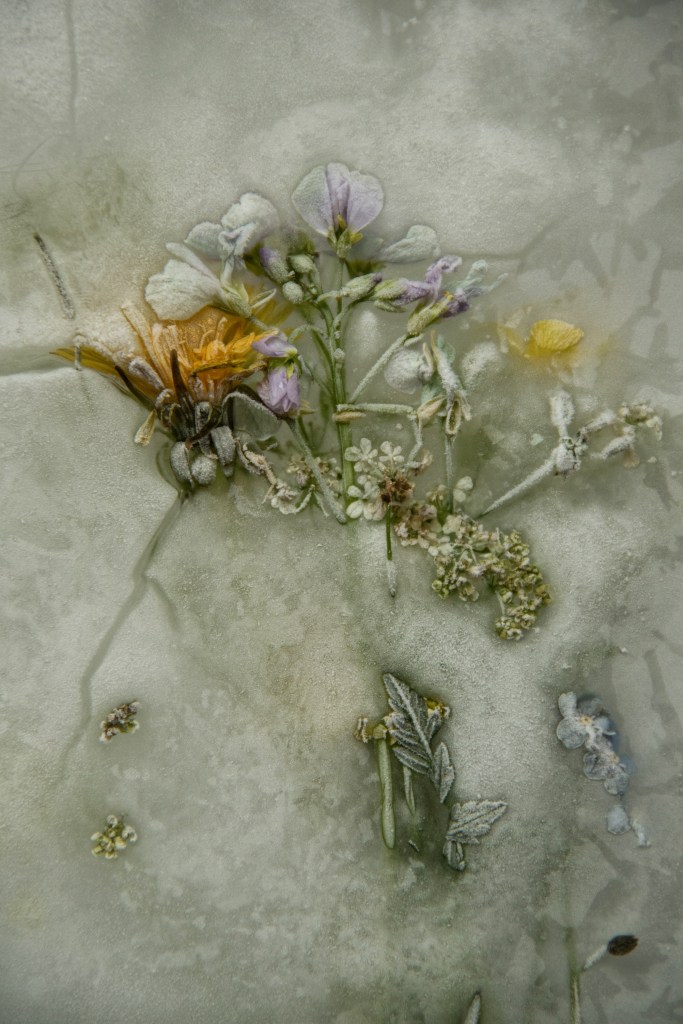
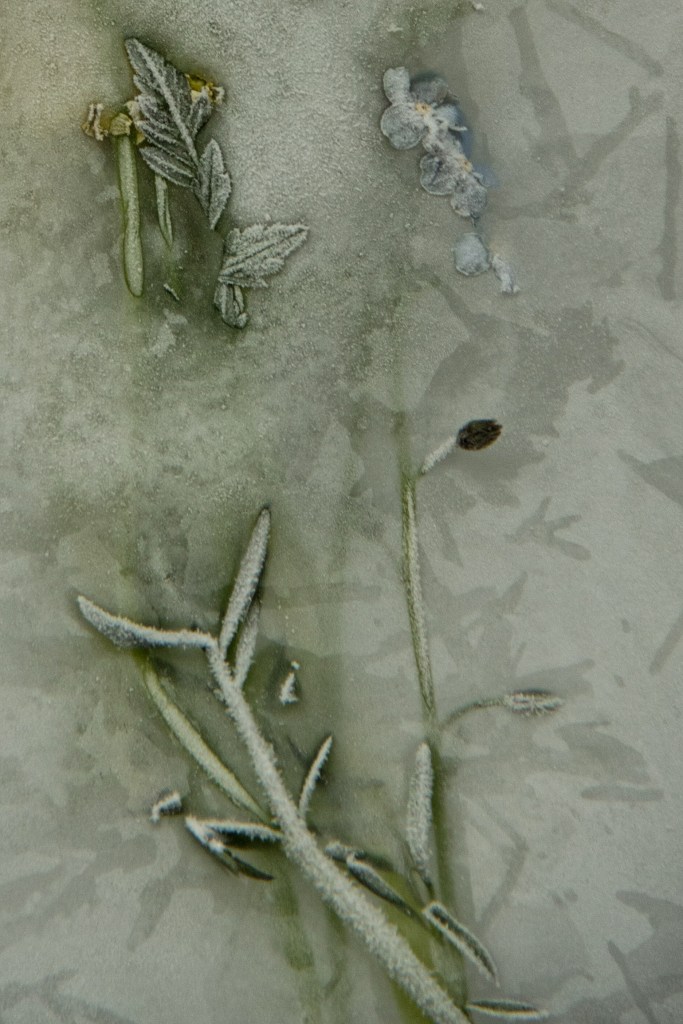
After photographing the flowers frozen within the ice with the intention of comparing it to the image of me in a similar setting, I decided to photograph the flowers once the ice had melted.
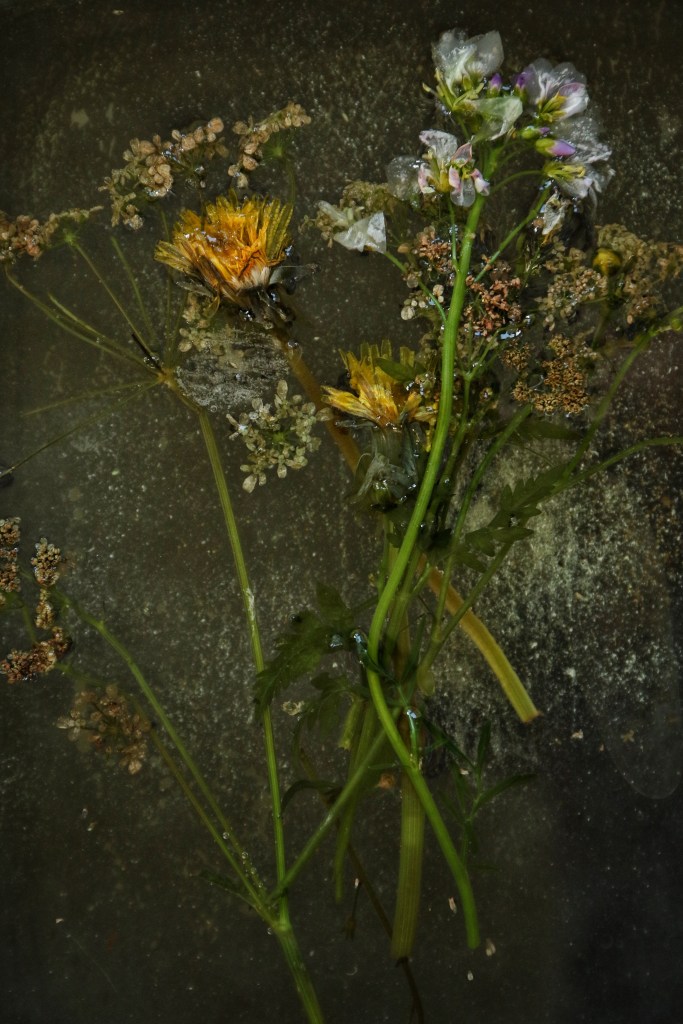
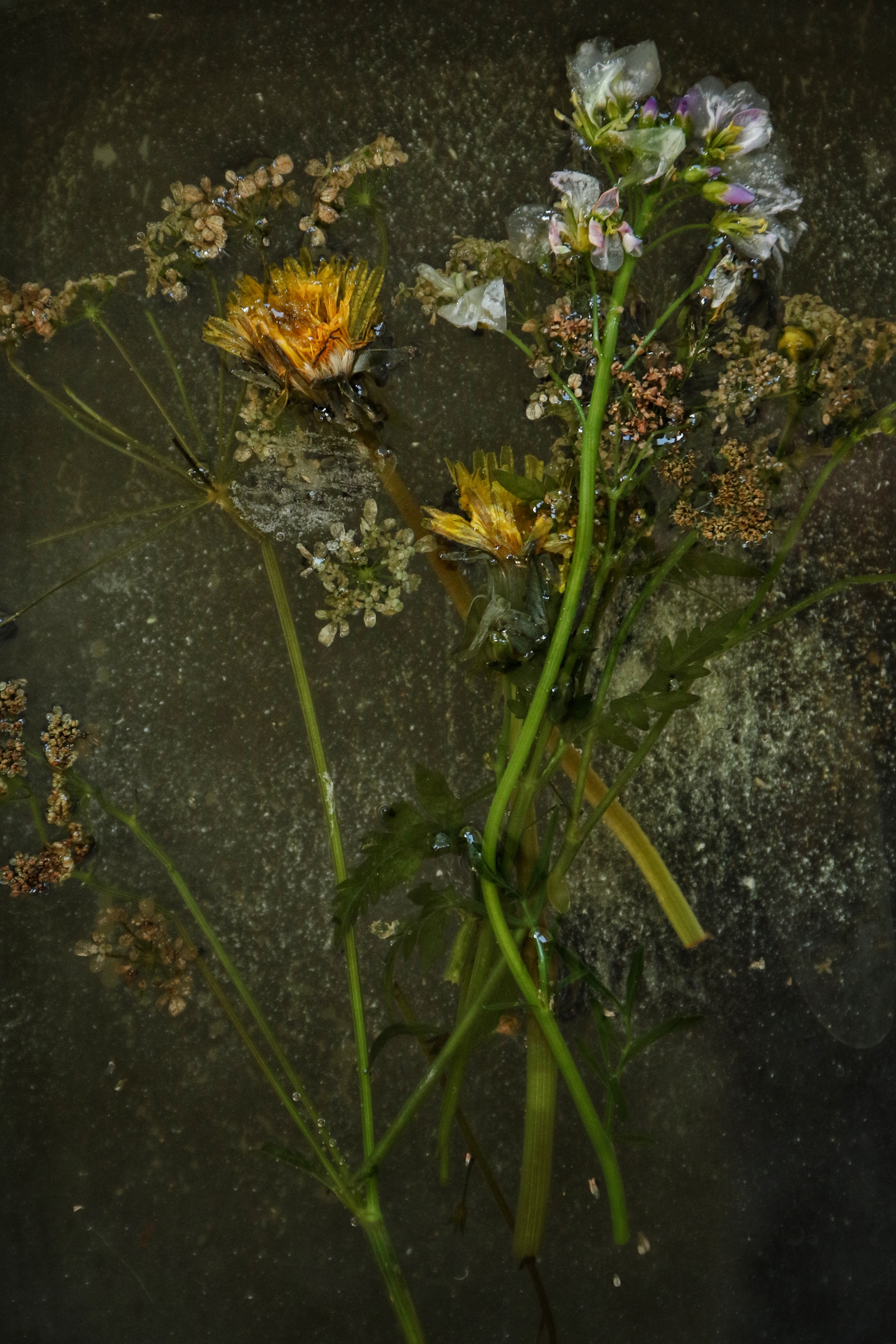
Flowers in water
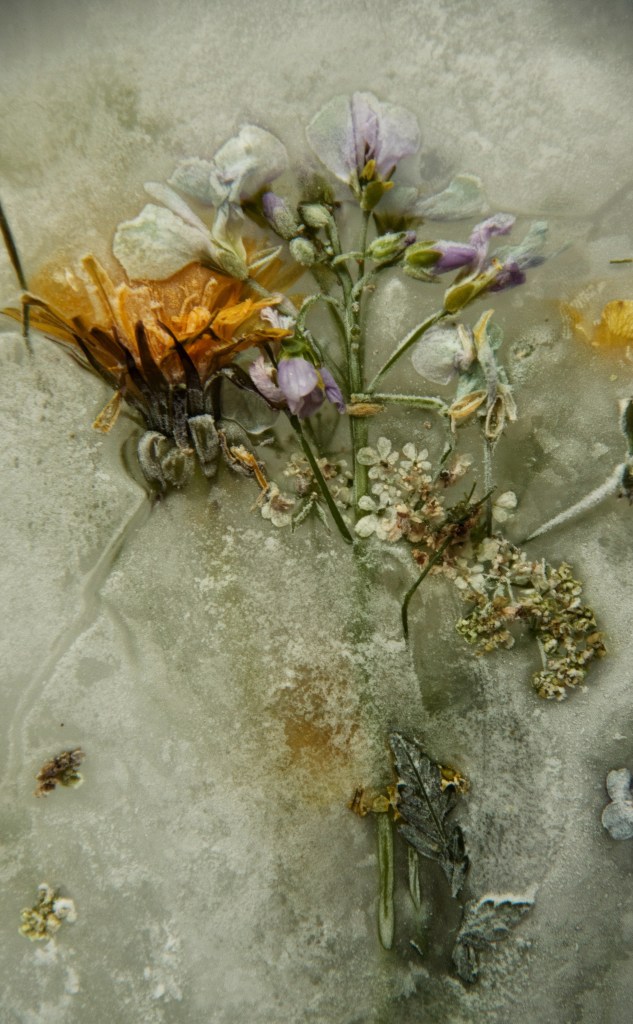
I found it interesting that the flowers when out of ice and instead in water look weaker than they did before, practically dead. It links back to my idea of the ice preserving the flowers and once they are exposed they die.
I believe it also makes an interesting composition when pairing the two photographs together – one in ice and the other in the water. The colour tones within the image make it seem positive then negative – representing the idea of life and death.
Although I previously mentioned that I thought it may be interesting to pair a portrait image with a landscape one, especially when displaying them in a book, I have decided against the idea.
After asking a number of people which option they thought worked best – Option 1 (both portrait) or option 2 (portrait and landscape), most people said they prefer the two portraits together. The overall feedback was that option one looked most similar to each other, and they could see the connection between the images which option two lacked.
Although I prefer the detail in option two, I do agree that images connect better when the compostion is similar and to do this they both need to be portrait with the flowers mimicking the shape of the body.
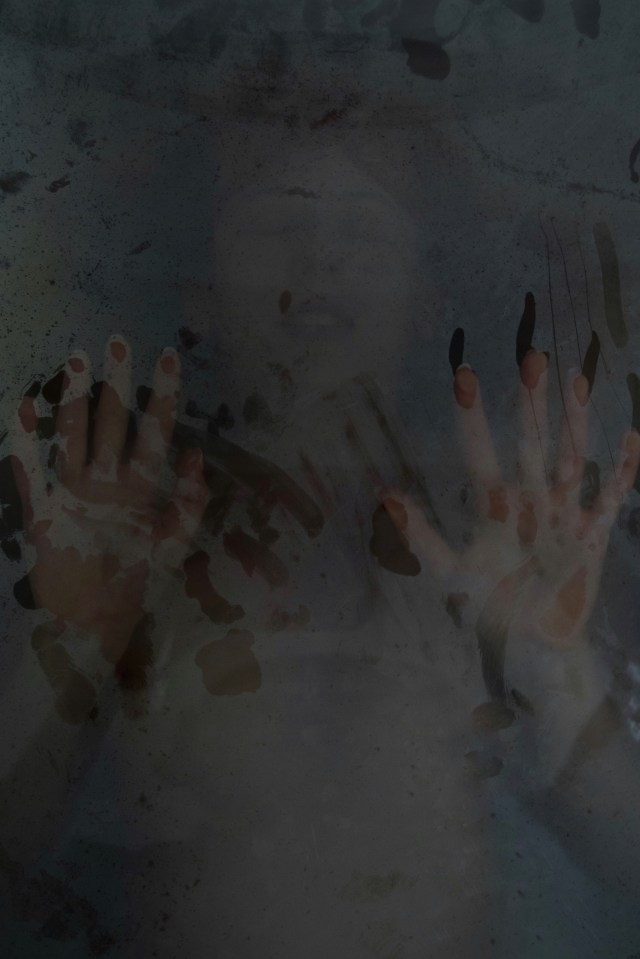
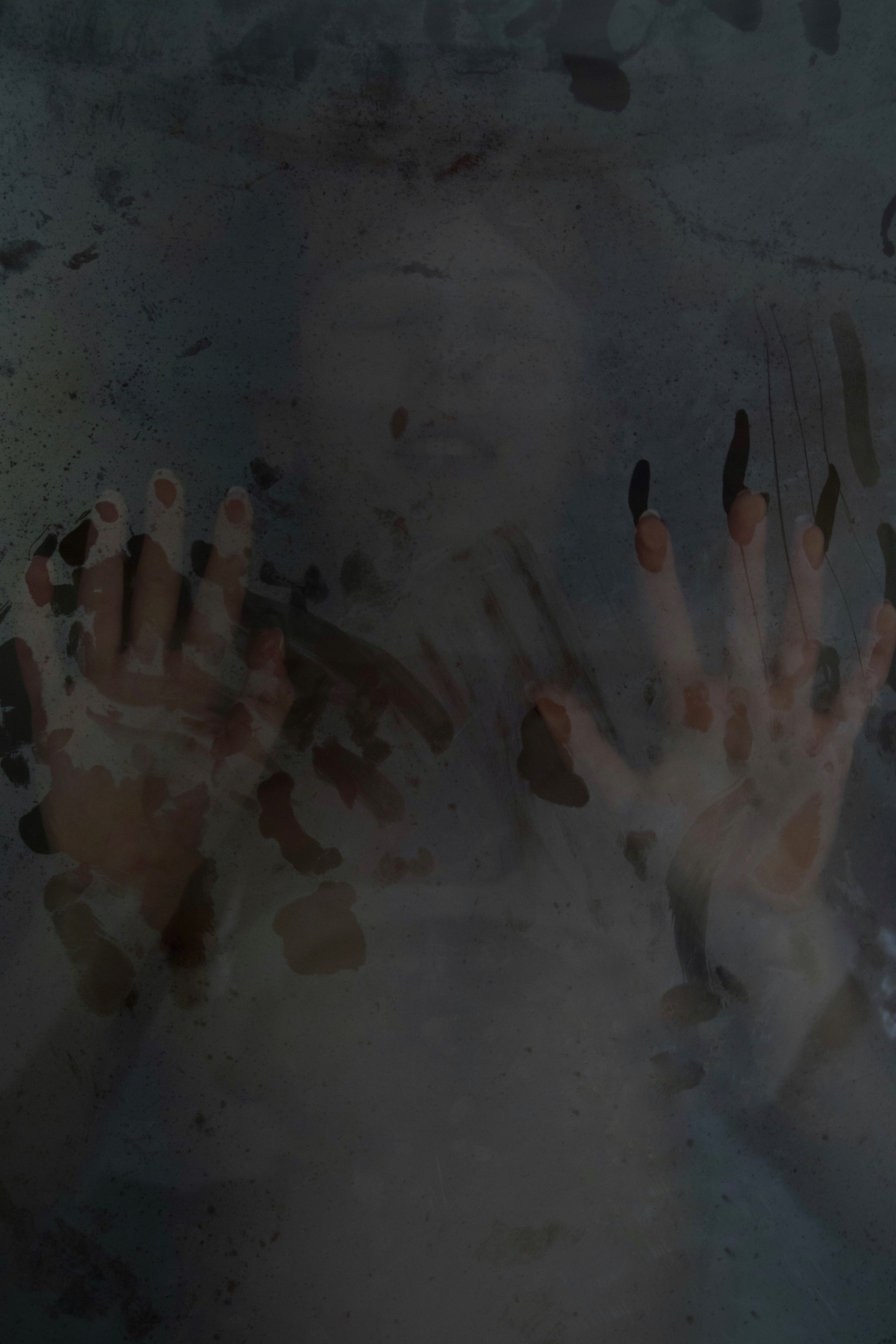
After producing the image of me looking like I was trapped and frozen I decided to recreate it with flowers. I wanted to compare the two – comparing self portraiture with nature, and when presenting these images would pair them together.
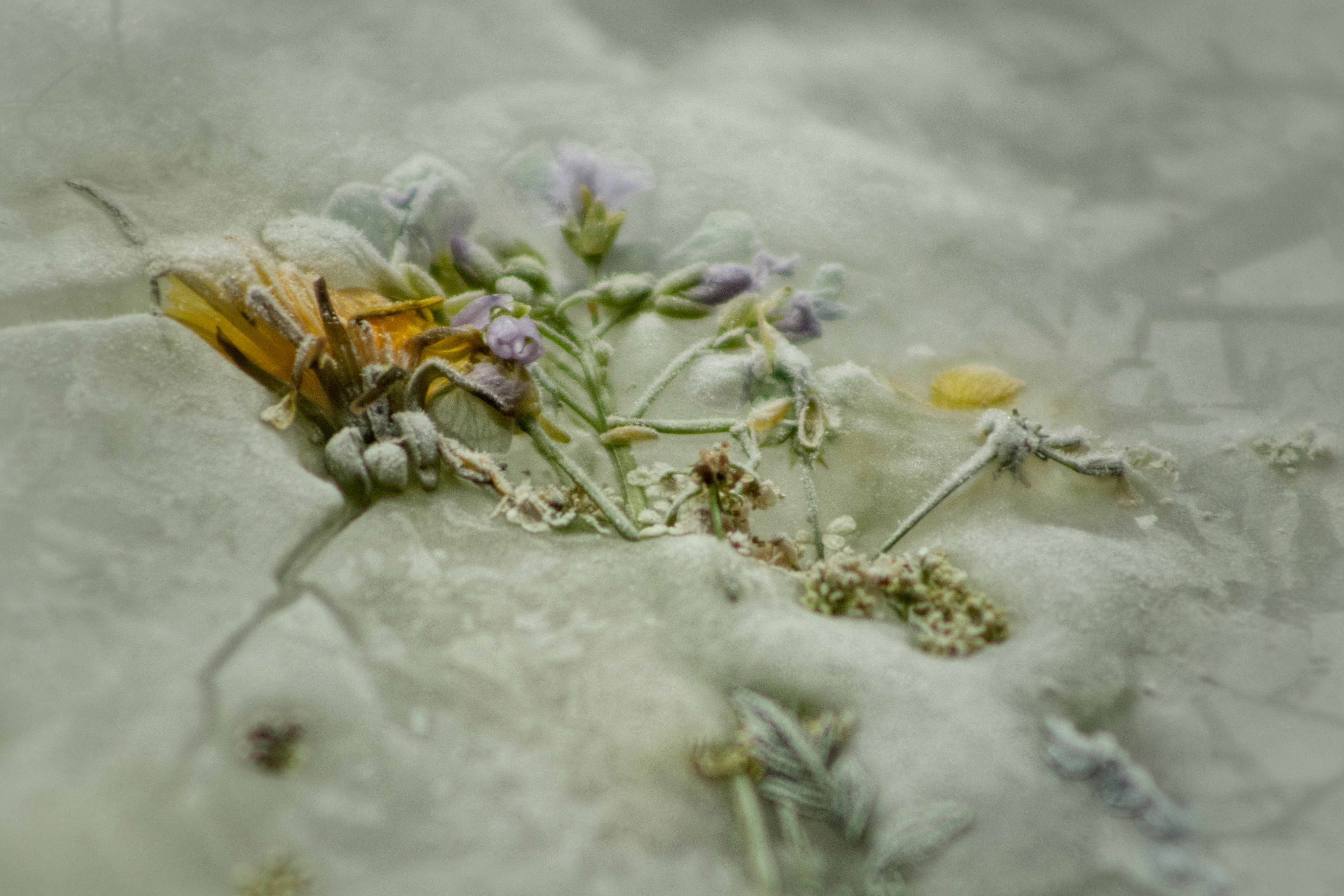
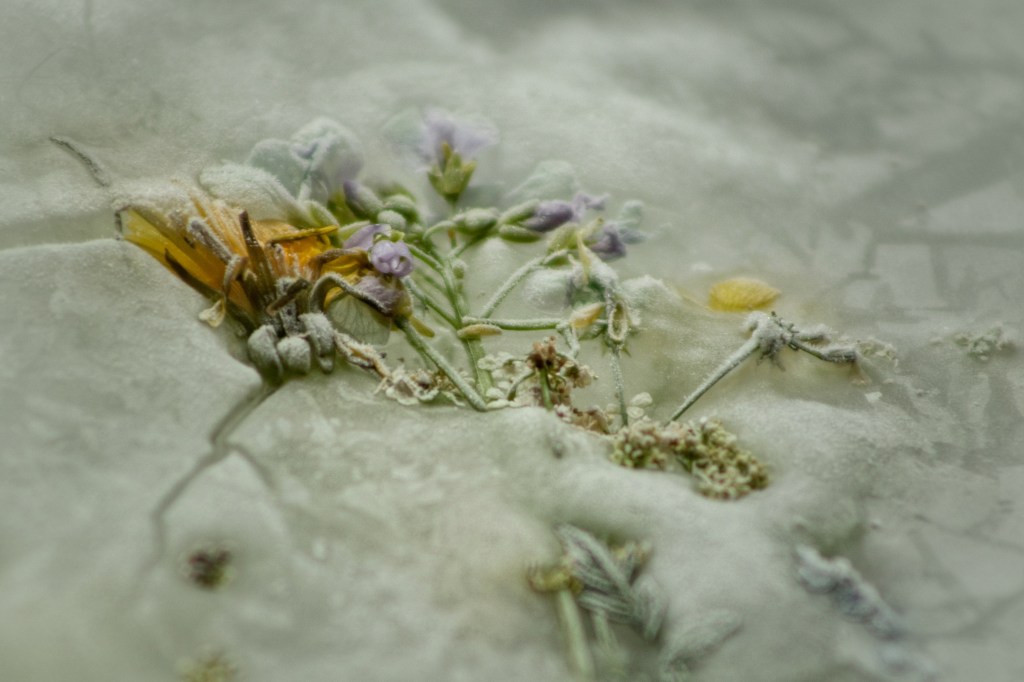
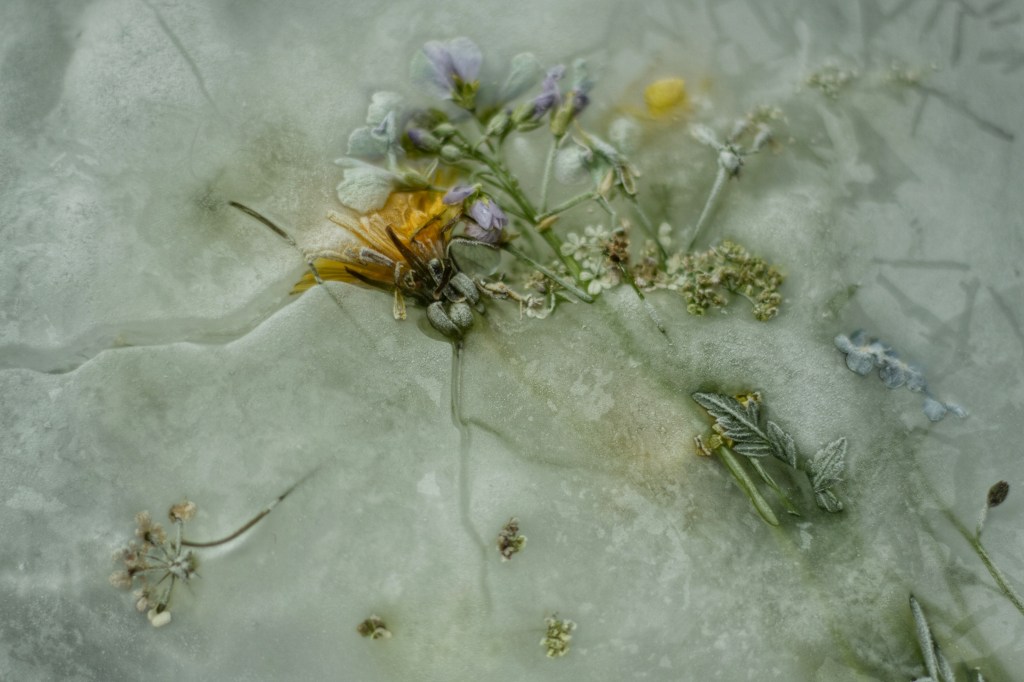
Linking back to the title of the work ‘We are merely here’, I wanted to look at the how this idea of being frozen and trapped effects both humans and nature differently. In the self portrait image it looks as if the ‘ice’ effect is what is damaging me, and gives the impression of being trapped and unable to escape. However contrasting this with the flowers in the ice block I look at it a different way. Cracks are beginning to form across the ice, giving the impression of it breaking out. Yet more importantly the parts of the flowers that are trapped within the ice are not dying, but in fact are being kept alive by this imprisonment.
I initially think the portrait photos of the flowers work best, especially when contrasting it with the self portrait as they are both then similar in composition. However, I want to produce a book for the end of project and actually feel pairing a horizontal and portrait photo together will add interest to the book. The horizontal images of the flowers now work best for me as they show the best detail – the parts that are alive and the parts that are dying, as well as the detail within the ice.
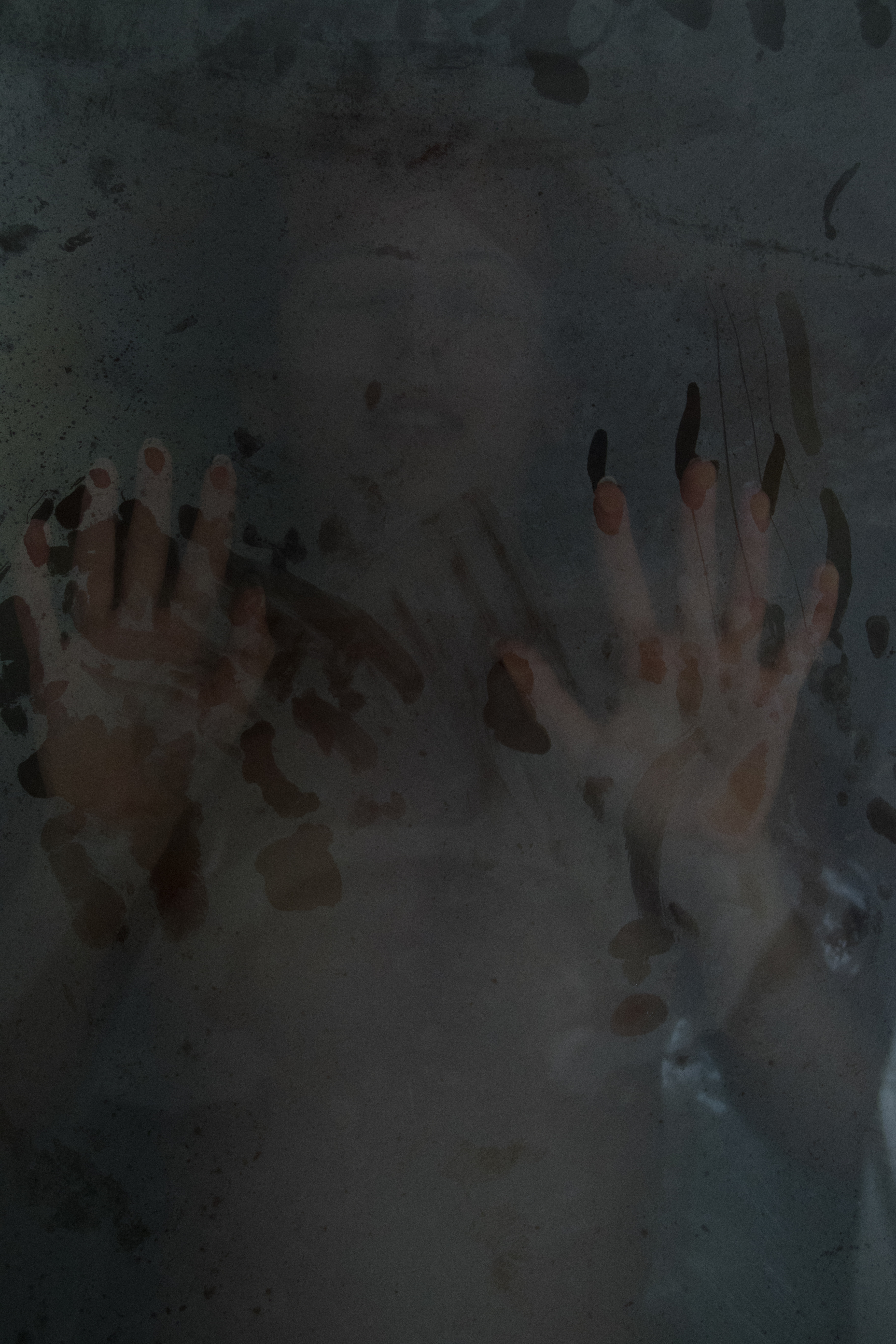
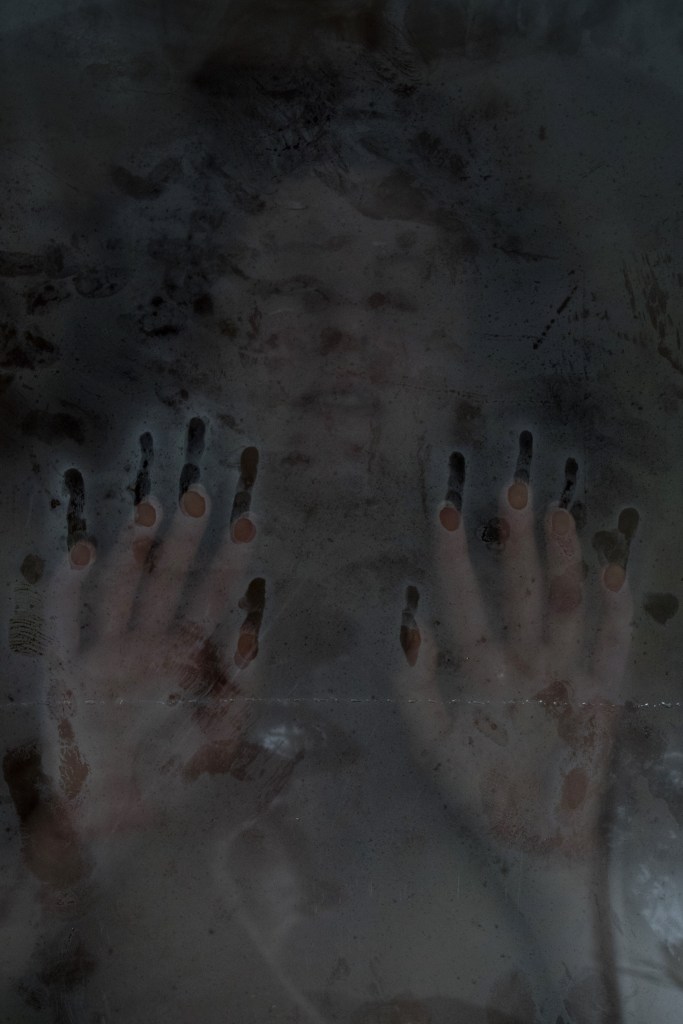
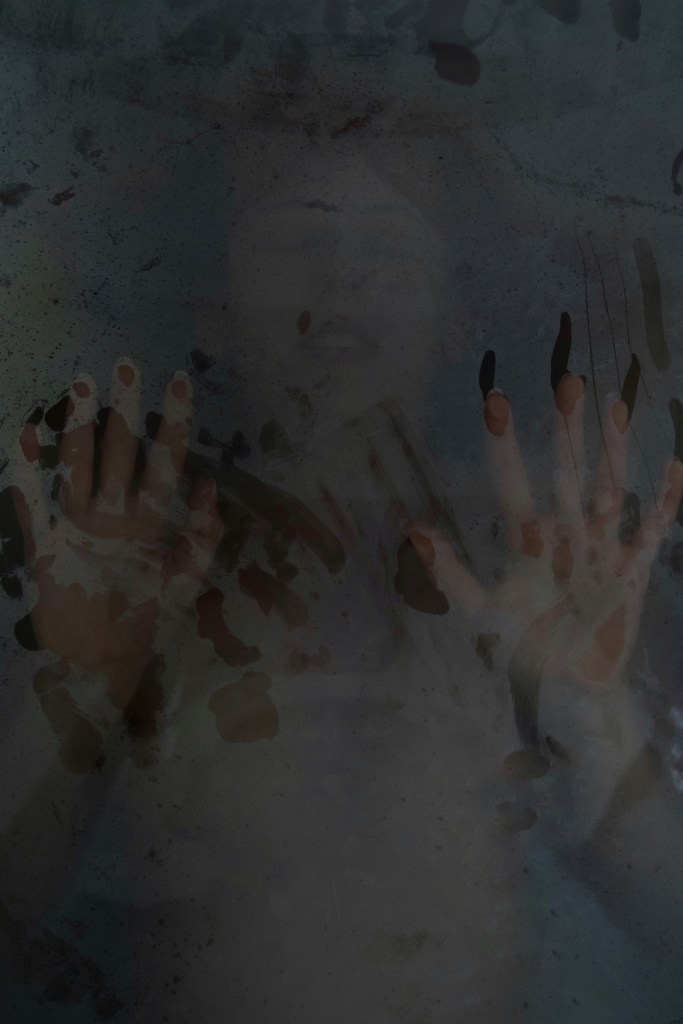
I thought of emotions and feelings that come with suffering from a mental illness and straight away thought of the idea of being trapped.
I created the images above by laying under water and placing perspex over the top. I wanted the perspex to be clear at first, but after it started steaming up I decided to experiment with this further and found that it gave the impression of being frozen. A lot of feedback I received when showing people the images were that I look nearly dead – linking perfectly with the title of project ‘We are merely here’. Although there is clearly sign of life in the images, the concept of being barely alive works well.
I would recreate this picture again as they have turned out slightly dark, but I am happy with the concept and is something I want to continue to work on.
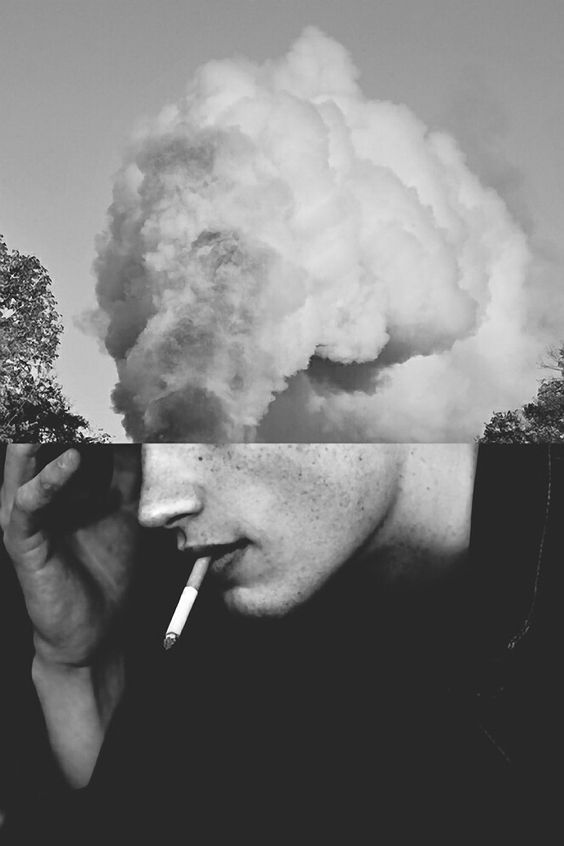
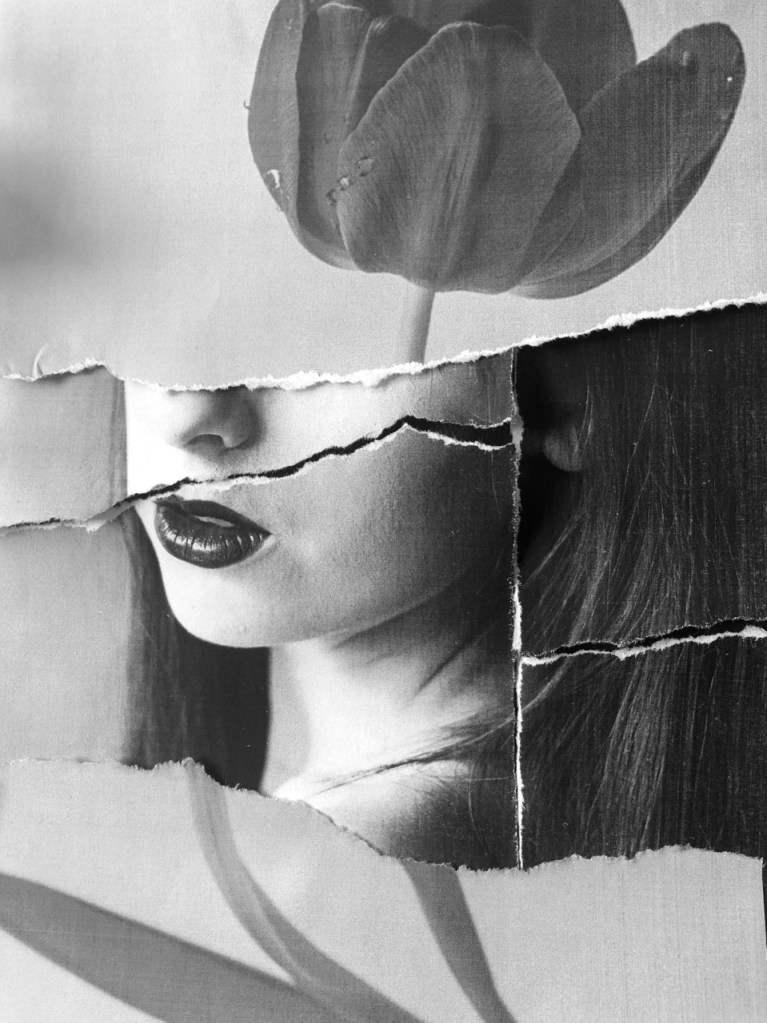
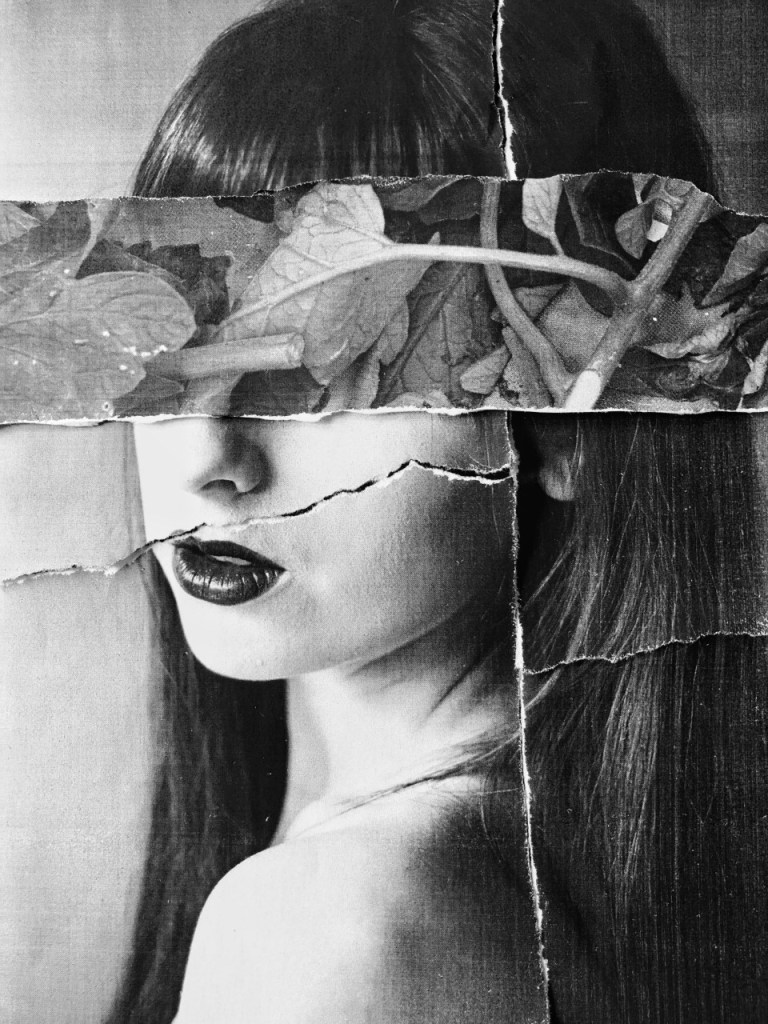
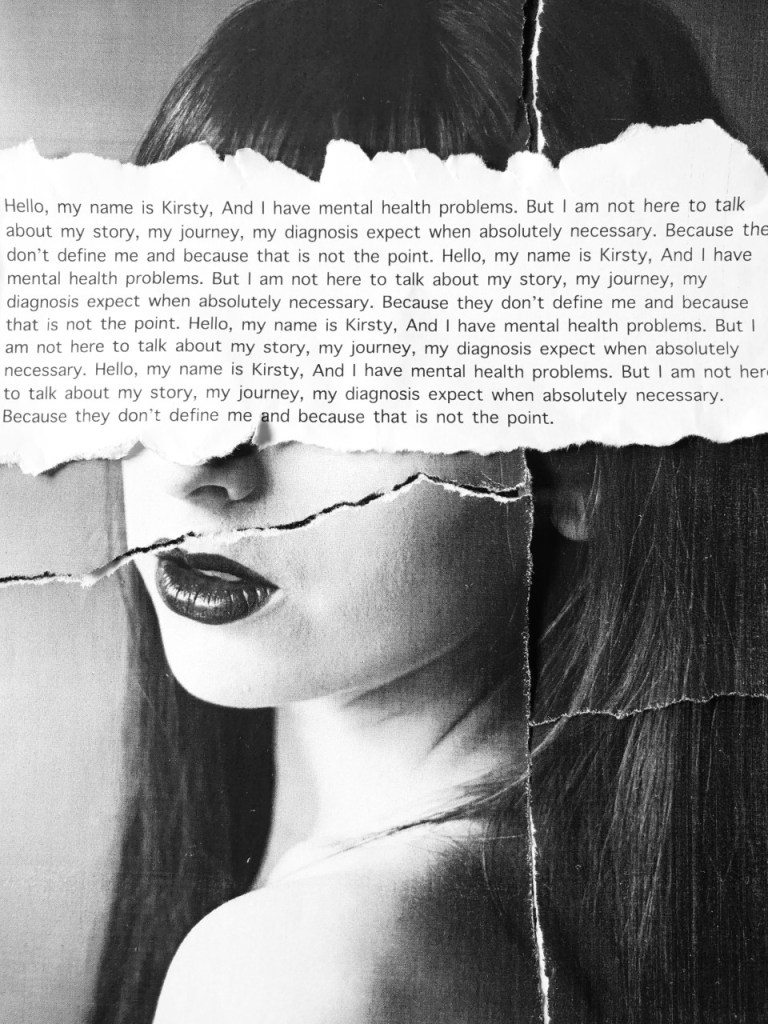
I previously looked at experimenting with piecing multiple images together to create an independent piece of art work.
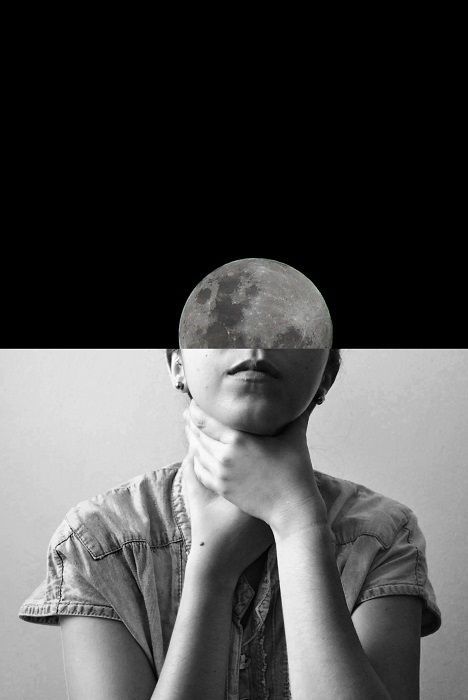
This was something that at the time I did find interesting but mostly looked at combining images with text, however I now want to look at this idea of combining nature with self portraits. Above is some of the examples of work that inspire me, especially the first image as the smoke in replacement of what essentially would be the mind, represents the idea of mental health.
Below are the images I previously produced for the module. Although I did experiment with mixing nature and self portraiture, I feel that it felt a bit random as I didn’t actually replace the body parts with anything similar in shape or resemblance. I will go onto to try this idea again but look more at the composition and consider the things I photograph more seriously.
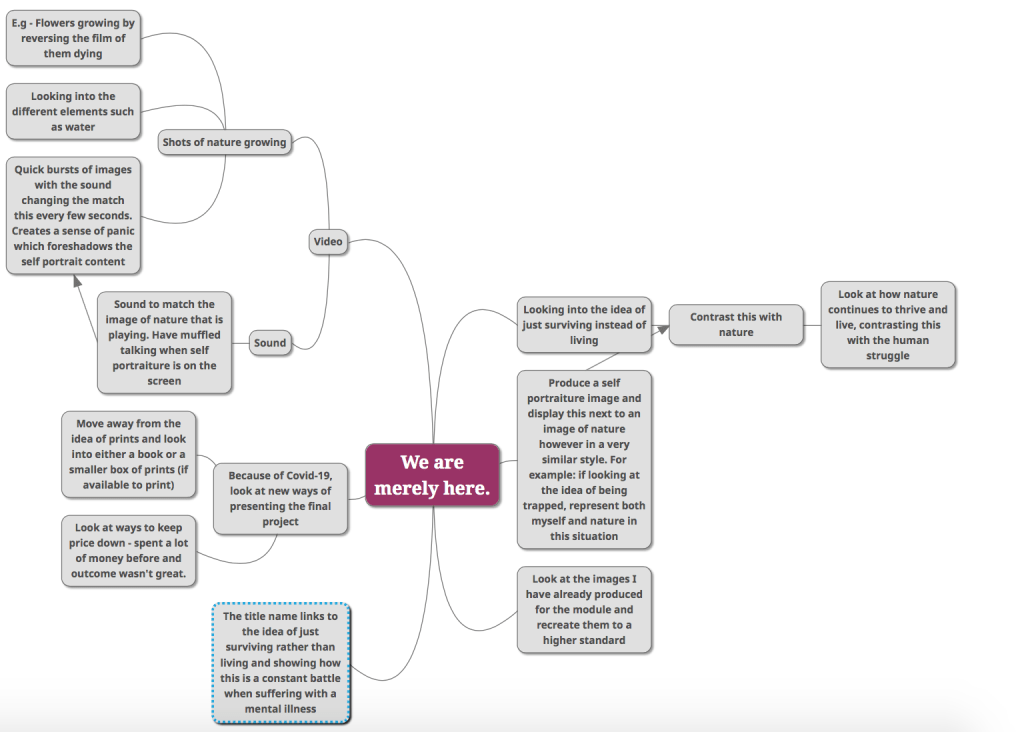
I produced a basic mind map to display my initial ideas for the resit.
My previous project for me lacked meaning and therefore wasn’t a strong concept by the end. I think a big part of this was because it didn’t have a title. By giving it a title I feel that it gives the work more structure and I can easily see what direction I want the work to go. I have decided to call it ‘We are merely here’ which represents the struggle with mental health and how we try to survive rather than live. The title does not give to much away about the work, which I feel works well, and allows the viewer to explore the project further with an open mind.
A strong theme which I want to continue with is looking at both nature and self portraiture. This was an idea that I started to look at, at the beginning of the previous project. However, I started to focus purely on self portraiture which I found became slightly repetitive throughout the project. I will look into the relation between nature and mental health, producing imagery to represent this.
After failing the module, I will continue to work on the ideas I was already exploring however change and work on some of the parts of the module which didn’t work.
However, due to Covid-19 and lockdown I am unable to shoot outside as much as I had initially planned when resisting this module and will adapt my ideas so they work indoors.
This will be the same with the final production of the work as I am currently unable to get to printers so will have to explore new ways to present my work.
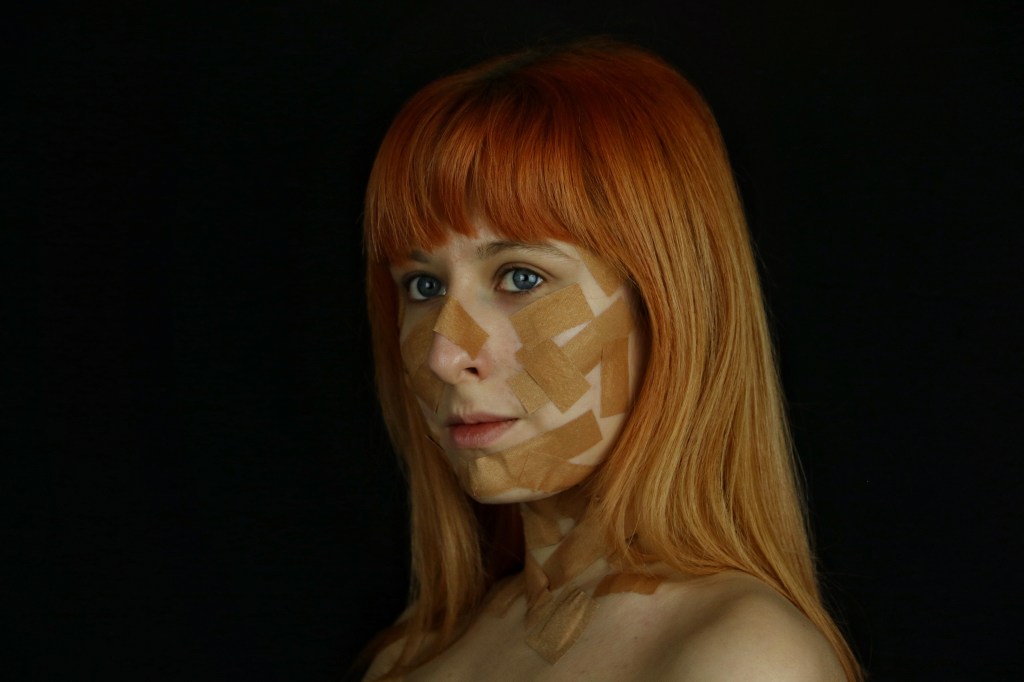
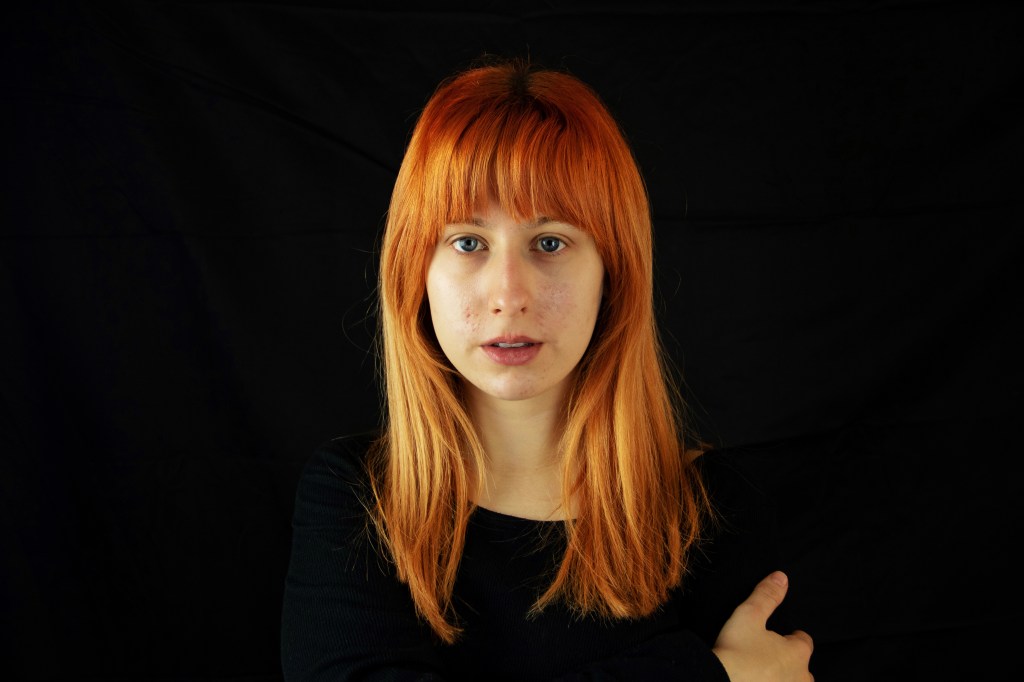
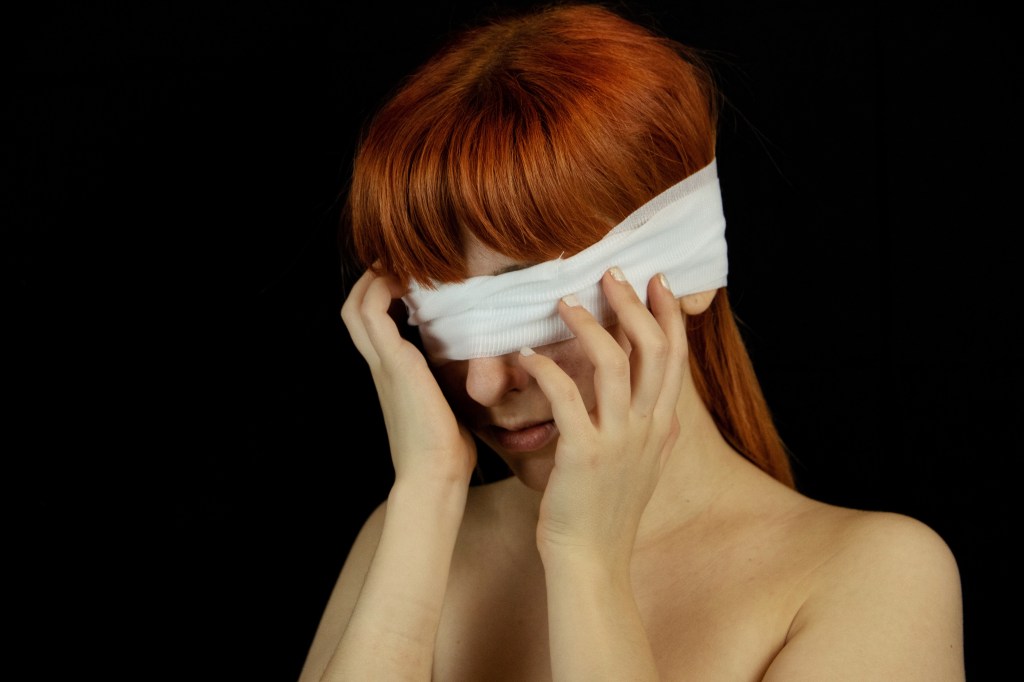
My intention for the project was to highlight the issue of mental health, and more specifically represent what it feels like to suffer with social anxiety. This is a topic that has run through my MA course as I have a personal connection to the issue. Suffering with social anxiety myself I wanted to use my platform as a photographer to highlight the issue and also to give myself a voice. For me it was incredibly important to highlight mental health issues, especially those such as social anxiety as I feel they do not get spoken about as much as others. It was important for me that the subject of mental health was taken out of its medical context and instead informed the viewer in a much more creative way which may reach a different audience. However, I set out to produce the project for quite a selfish reason too. I wanted to use it as a form of therapy, seeing if expressing how I was feeling through a creative platform would help me better understand my own problems.
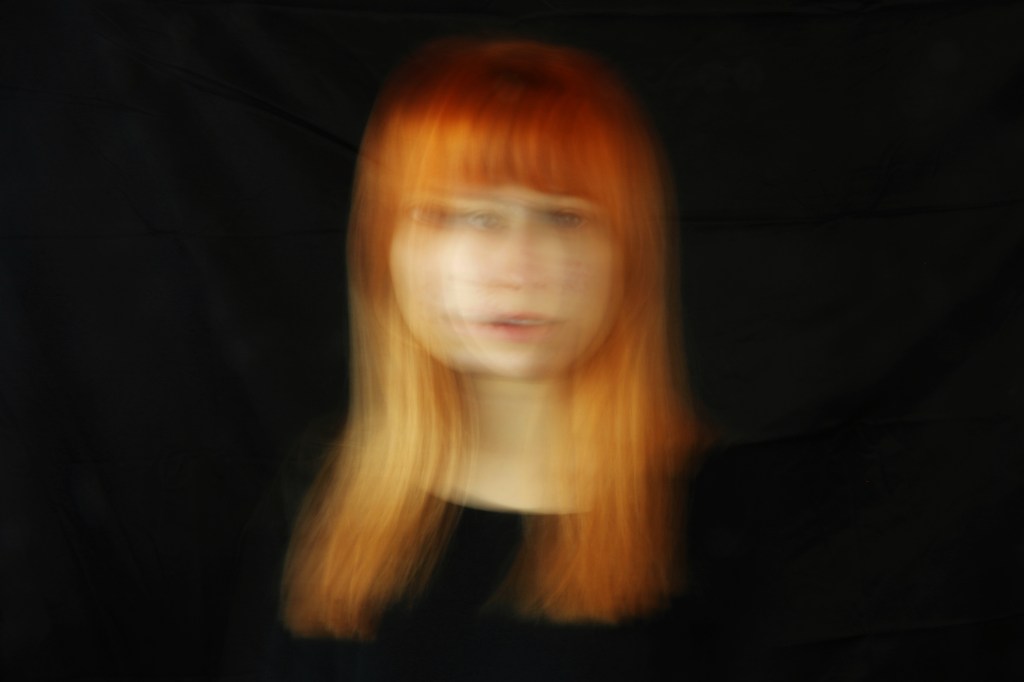
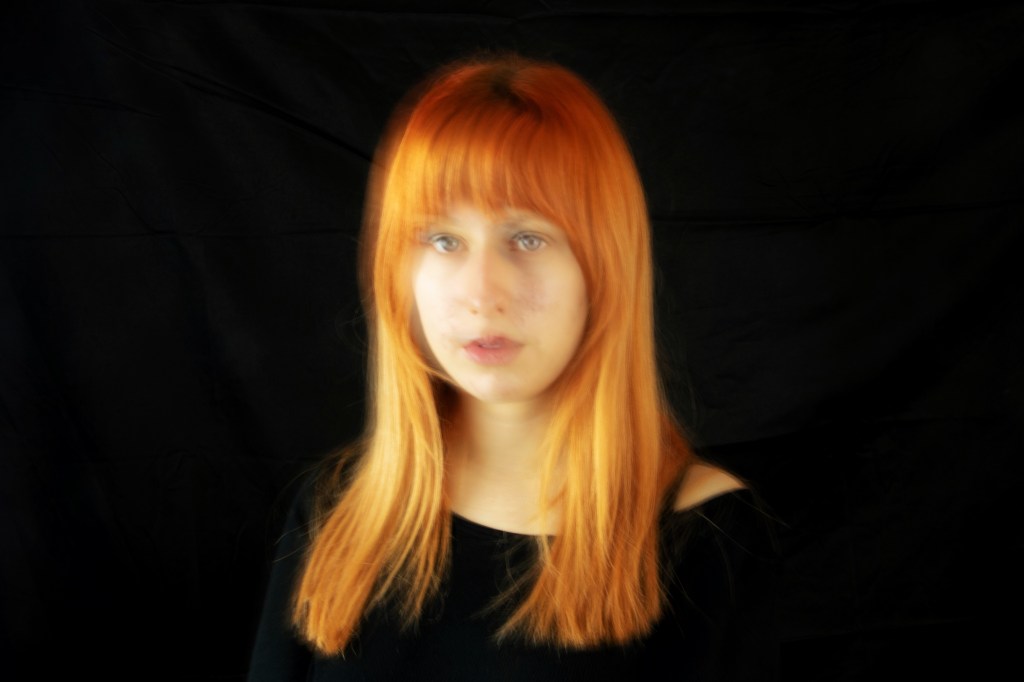
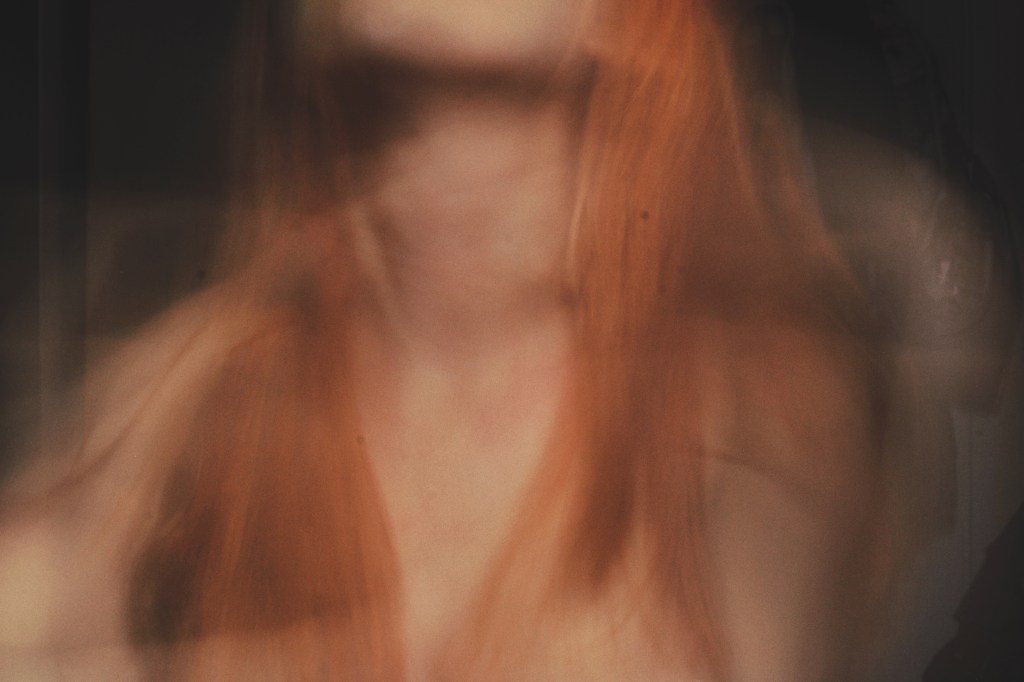
My previous projects have heavily involved self-portraiture which I something that was really important for me to continue with within the project. I looked into the idea of using other people within my work, however, because the work is so personal it made sense to use myself as I know exactly what it feels like to suffer from a mental illness. The further I went on with the project the more I found myself subconsciously removing my face from the work, with other people picking up on it before me. I found this interesting as I was stressing how important it was to use myself as a subject yet was incredibly reluctant to want myself to be identified. It was something that I carried on experimenting with as for me it represented social anxiety strongly with the work. The work of Jo Spence became an inspiration to me not only through this project but the whole MA course. As quoted from an essay by Rosy Martin and Jo Spence in The Photography Reader (Wells, 2003), ‘What photo-therapy engaged with is primarily the ‘needy child’ within us all which still needs to be seen and heard’. I found this statement in particular incredibly relatable because of what I previously mentioned about producing work for a selfish reason. Although without realising it I didn’t include my face, I still wanted people to know it was me so that they knew what I was suffering from. The need to produce the work became a cry for help – a way to let people know that I was suffering. Although the idea of self-portraits is often associated with snapshots, especially in regard to modern day images, they can also be valued in terms of phototherapy. The images I have produced can be reflected on at a later date, allowing me to reflect on how I was feeling at the time and therefore adapt my art practice around this if I was to continue with this project in the future. I was quite cautious when using myself within the work as I did not want the viewer to confuse it with self-importance. As mentioned later within Jo Spence’s book in the chapter ‘Self-image; Personal is Political’ the photographer themselves are not usually featured within the image directly – ‘The photographer usually presented her/himself in the role of artist or suggested status through objects of her/his particular profession’ (Kelly, 2003). However, the idea of the photographer now being featured within the image itself is widely accepted, with artists such as Warhol making this acceptable.
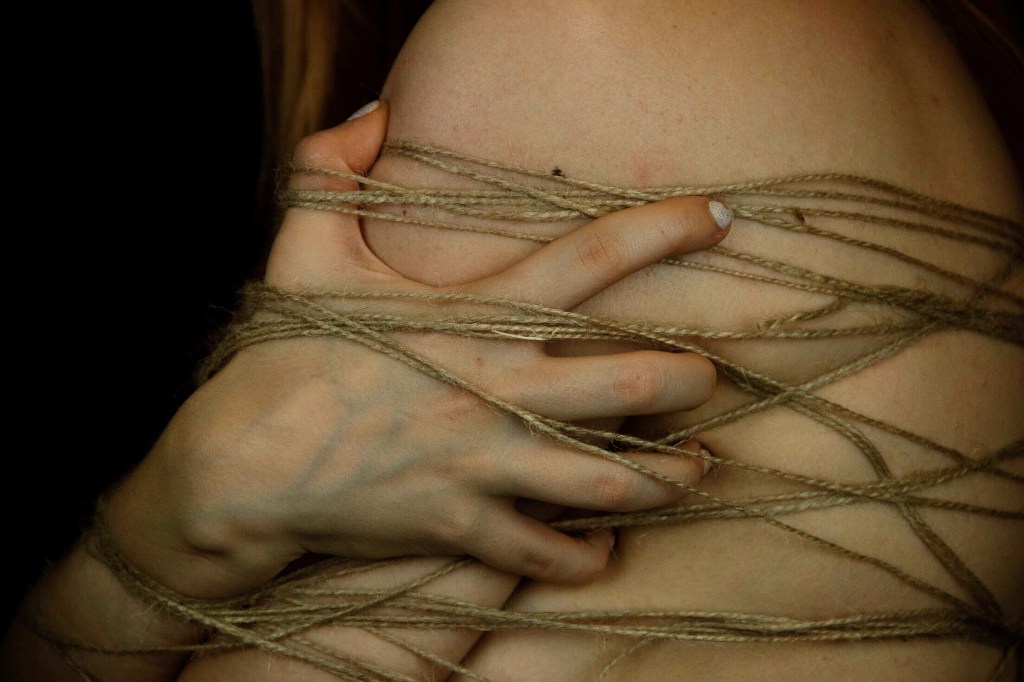
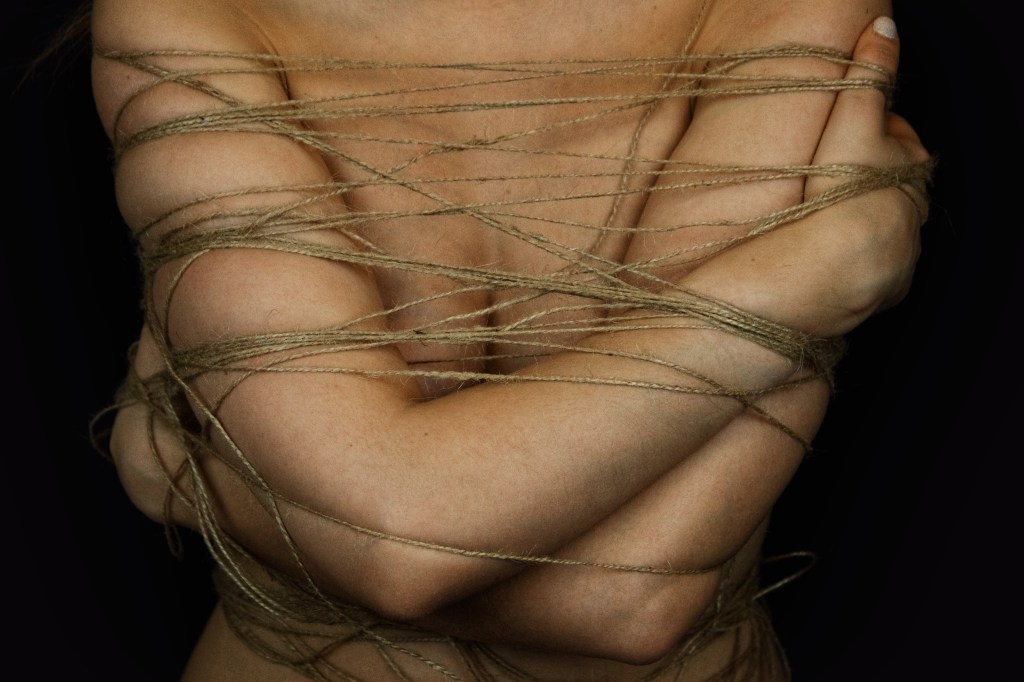
Moving on from Jo Spence and her idea of self-portraiture, I also found the work of Tracey Emin inspiring. Unlike Spend, Emin uses the idea of self-portraiture in a much less direct way. Her work is often a visual representation of her own personal issues yet does not directly show herself. Instead, she expresses her thoughts more so through objects. Arguably one of her most well-known pieces of work is ‘My Bed’ (Emin, 1998). The work gives an insight into the life of Emin at the time that she was experiencing a relationship break down. Using objects such used condoms and vodka bottles the piece of work acts as a statement which represents a significant stage within Emin’s life. When talking about the word, she states, ‘It changes every time I install it. It gets older, and I get older, and all the objects and the bed get further and further away from me, from how I am now’(Rea, 2017). Although unlike Emin I did use myself in the work I also experimented with objects as a way to represent an emotion. The image that worked best for me was the rope which I tied around myself. For me it represented the feeling of feeling trapped – a feeling often associated with mental health issues. Similar to Emin’s work, the objects don’t obviously show what I was trying to discuss, instead allowing the viewer to create their own opinions regarding the work.
Continuing with my first module in particular was something that really appealed to me. After producing a book with images relating to mental illness as well as text to accompany the images, I felt that the work had a very personal feel to it, which was important for me to continue within this project. I paired the image with text which was handwritten giving the project ‘diary’ feel to it. The intention of this was to leave the audience feeling as though they were looking at something private and enhanced this feeling of personalisation. When starting the current project, I knew that this personal touch was something that I wanted to carry through and went onto experiment with this idea through not only text but speech as well. I looked into producing a video with a speech that I had written being played over the top, giving an insight into what it feels like to suffer with social anxiety. However, I wasn’t confident with the sound of my voice and feel like it weakened the video rather than improving on it. I looked into using other people to read the text, however for the same reason as using myself in the work it felt like I was taking away the personal element if I was to continue with this idea.
As I was using the project itself as a form of self-help, I read a lot of literature related to mental health throughout the project. This ranged from self-help books, to personal accounts of mental health to poetry. Since looking for inspiration for this project, I have become incredibly interested in the work of Eleanor Russell. I first got influenced by her when I came across a spoken word video she had produced regarding her mental health. In the video ‘Broken Isn’t Beautiful’ by Eleanor Russell she talks about her person battle with depression, in an informative yet artistic way(Russell, 2017). The idea of turning an issue such as mental health into a piece of art really appealed to me, and I could see how this would reach and educate a wider audience than other methods. I looked at speech within my work and the idea of overlaying spoken word over a video I have produced which would talk about my own battle with social anxiety, describing not only the symptoms but giving an insight into who I am without the anxiety and contrasting the two. I struggled with finding people to speak within the video as I had a very specific idea of what I wanted. Because the work was about me, I wanted to voice to be of a similar age, female and with quite a delicate tone which would represent the delicateness of the topic. After struggling to find this, I thought about using my own voice which made a lot more sense as it was such a personal subject and was about me. However, I didn’t feel comfortable enough to do this and felt that carrying on with the idea of speech would weaken the project rather than improving it. This led me on to look at using writing instead of speech within the work. I used writing within my first module as I previously have mentioned, and this is something that worked well alongside the photos. I looked specifically at using text with video and overlaying the text on top of the clips. However, I felt that this created distraction within the video as there was too much to focus on. The idea of using video is something that I went to look into further and will go onto to discuss it later within the essay. Not only did I look at Eleanor Russell’s work as a way of linking both the video and text together, but specifically focused on what she was writing as a reflection of how I was feeling and how it could be turned into art. One piece of work by Russell that influenced me the most was ‘And on some days I break and on some days I try again’ (Russell, 2019). For me this really represented the conflict that I face in life every day, and the idea of recovery was a theme that repeated throughout my work. This idea of conflict and recovery led me on to want to create three separate videos with each one representing a different aspect of my mental illness.
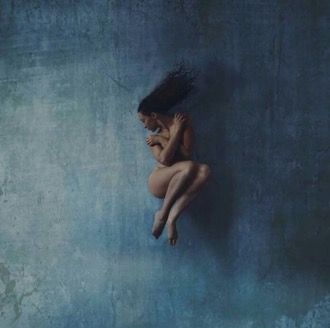
One major inspiration for not only this project but my whole degree has been Brooke Shaden. She uses photography as a platform to represent her own personal issues but more importantly for me does this through the form of self-portraiture. Her fine art style not only represents what she is feeling but is visually pleasing too. Her work was something that I referred to throughout my project, especially when reflecting on why I was producing the work. When posting her work on social media – which is where I first found her work – Shaden often writes long captions to go alongside her work, describing her feelings and reasons behind producing each image. One image in particular that resonated with me was the image below (Shaden, 2019). Although I find the image incredibly inspiring on its own, it was the text that Shaden wrote with it that I related to. She explains: ‘Think of someone you know who seems lost in loneliness. Maybe it’s you, and if it is…There may be nothing I can say, or do, or create… But it is you I create for. For you who feels alone, or inadequate, or dark and faded. For anyone who does not recognize this moment in life. For someone who needs to see their life mirrored back so that it is less lonely in the quiet place’ (Shaden, 2019). Throughout this module I often lost track of who I was creating the work for and more importantly why I was creating the work. I set out to produce the project for quite a self-centred reason – to use the form of photography as a form of therapy. However, the further I went into this project I found it hard to think of new and fresh ideas, as I was no longer producing the work solely for me. Whilst researching into the project I found other people who used their art as a way to raise awareness of mental health and began to realise that art can become relatable for people going through similar things and therefore provide comfort. I started to produce my work for others, for people to be able to recognise themselves in my images and push the idea of mental health needing to be spoken about.
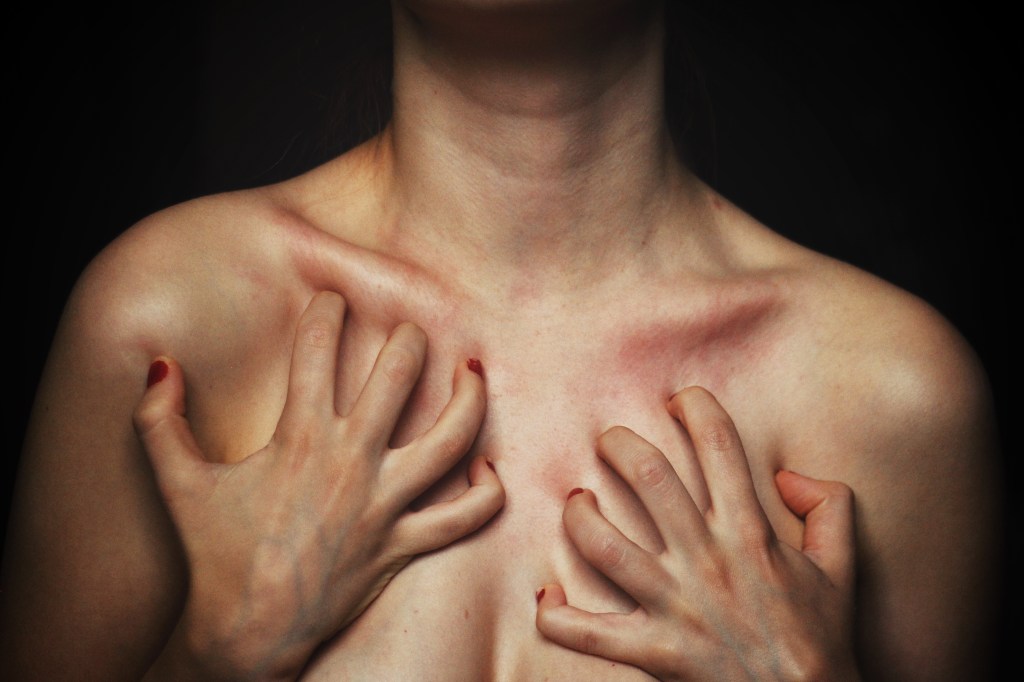
I printed ten images A1 which I intended to work in a gallery space. For me the bigger the photos the more impact that they created, and it also linked to one of my main reasons for starting the project, which was create photos so that people couldn’t ignore the issue of mental health. I would ideally have done the photo’s A0, but due to budget this was an unrealistic goal. I then mounted the photos onto mount board which helped make the images look more professional. I settled on producing ten images as I felt this was enough to demonstrate the message I was trying to get across, whilst at the same time not getting overly repetitive and therefore weakening the concept. The photos along with the video, show what I was trying to discuss within my work, without obviously talking about mental health in ways that have previously been done.
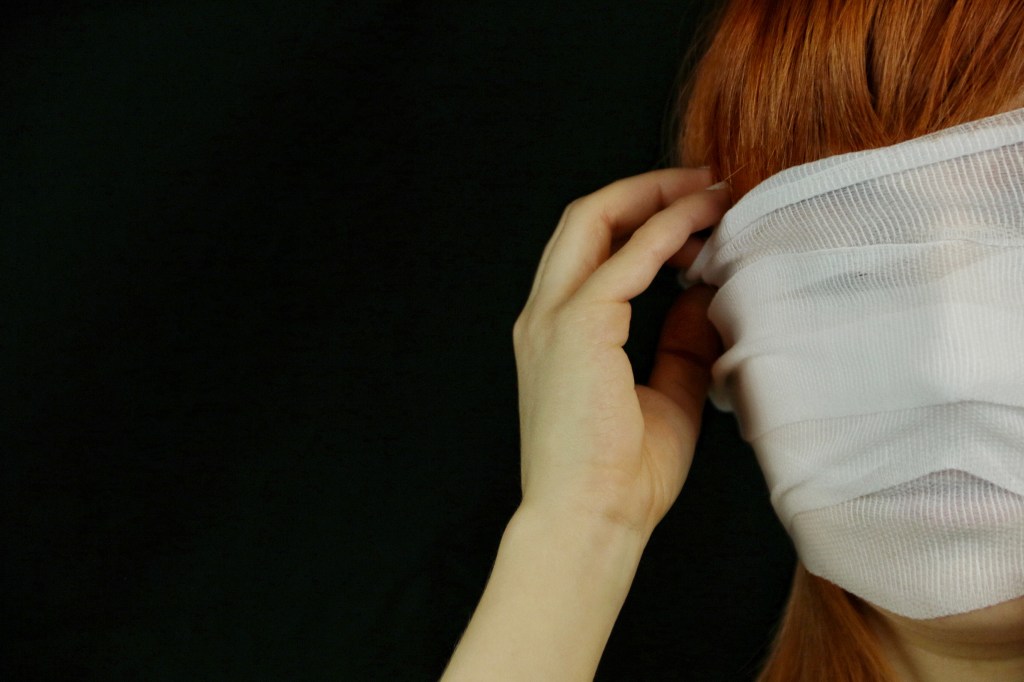
In regard to my video, the outcome of this changed quite a bit from what I set out to do. I started the project in the hope of producing three videos – each providing a start, middle and end with regards to mental health. The first video would be an introduction to mental health which would heavily take inspiration from Chanel 2018 Fashion video (Chanel, 2017). Before starting this MA course my work focused around fashion and although I have moved away from that during my study, it was something I wanted to try and include. The combination of nature and fashion inspired shots was something that I began to experiment with – looking at the similarities between the two and comparing them two suffering from a mental health issue. I noticed how intertwined the two things were – for example the lines on a leaf began to resemble the veins in the body. My issue however came when trying to relate this two mental health. For me the video began to look to fashion inspired and I lost the message that I was trying to represent throughout the project. The second video of the series focused purely on the symptoms of anxiety which is the only video I eventually decided to carry on with and is what I have submitted for the final hand in. Throughout this project I had the issue of overcomplicating what I was trying to say, so with this video I decided to strip it back. I worked in my own studio within my house – giving me the freedom to shoot whenever I wanted too. The shots I produced focused on close up of my body, with each one linking the effects of suffering with anxiety. For example, I focused very closely on the eye and the lack of eye contact I make with people because of my anxiety. The video for me made people aware of what it was like to suffer with a mental illness but in a subliminal way. I kept the sounds within the video also very stripped back. After experimenting with piano pieces for the other videos felt that they were to positive and the audience wouldn’t have felt the discomfort that comes with suffering from anxiety. I simply placed beeps – very similar to a heart rate monitor you would hear within a hospital – each time a new clip played. This gave the work a very medical feel to it which linked with the idea of showing the symptoms and physical side effects of anxiety. I spaced each clip roughly eight seconds apart to begin with – which leaves the clip and lack of sound playing long enough to start to make the viewer feel uncomfortable. This idea of making the viewer feel uncomfortable was important to me as I wanted the feeling to resemble the discomfort that people feel when suffering from anxiety – especially social anxiety. The gap between each clip eventually closes in which adds to the intensity. I originally planned a third video which would play on the idea of recovery. However, I did not continue with this for a number of reasons. I felt the second video was strong enough on its own, and closely linked with ten photos that I produced to make a coherent piece of work. Creating a second video for me would have weakened the work. My reason for not doing a third video based on recovery also came from quite a personal place. At the end of producing this project I personally didn’t have the best mental health, and by producing a video based around recovery wouldn’t have been coming from a personal place – once again running the risk of weakening the project altogether.
Although I am pleased with how coherent the project turned out, I do feel that it could have been a lot stronger. I felt that trying to get a good balance between university work and normal work was hard, and this had a massive impact on my work. Because I planned to print the images big and mount them, I knew that it would be quite costly, and therefore had to work more to pay for this. However, I then lost out on valuable time and often found myself getting quite behind on the work. I also struggled with a long time to come up with a solid idea. I found myself trying to experiment and include many different styles of work including three videos, fashion related photos as well as juggling the other parts of the project. When I did finally finalise my idea more, I found that I was quite late into the project and therefore didn’t have time to push the idea further. However, I am happy with the way the photos and video tied together at the end. I have worked in a studio setting previously, mostly photographing portrait style images and found that working with my strengths meant that I found the project more enjoyable when I had finally defined my idea. Working with video was something that I had never experimented with before so the whole process from capturing the clips to postproduction was challenging. This also ended up being quite time consuming as I was having to research each part of the editing process. However, I do feel that what I have produced has been successful and I achieved what I set out to do with giving the audience an insight into anxiety.
The intention for the video was to be displayed in a gallery setting along with the photos, with the audience not necessarily watching the whole video but a section and then moving on. For this reason the video can appear quite receptive when viewed on it’s own, but I also wanted the viewer to feel awkward when watching it. I purposely used long clips, which intend to make the viewer feel uncomfortable, resembling the awkwardness of anxiety.
The video would be repeated on a loop within a gallery space, with the black pause at the end defining the end of the video before it starts again.
 Final Major Project Kirsty Powell